Best Espresso Machine Under $500 (and What to Pair It With)
Four espresso machines under $500 worth buying: the Breville Bambino Plus, Bambino, Gaggia Classic Evo Pro and De'Longhi Dedica Maestro Plus. Which one fits depends on whether you drink milk and how much you want to learn.
We earn a commission if you buy through our links, at no extra cost to you. How we make money
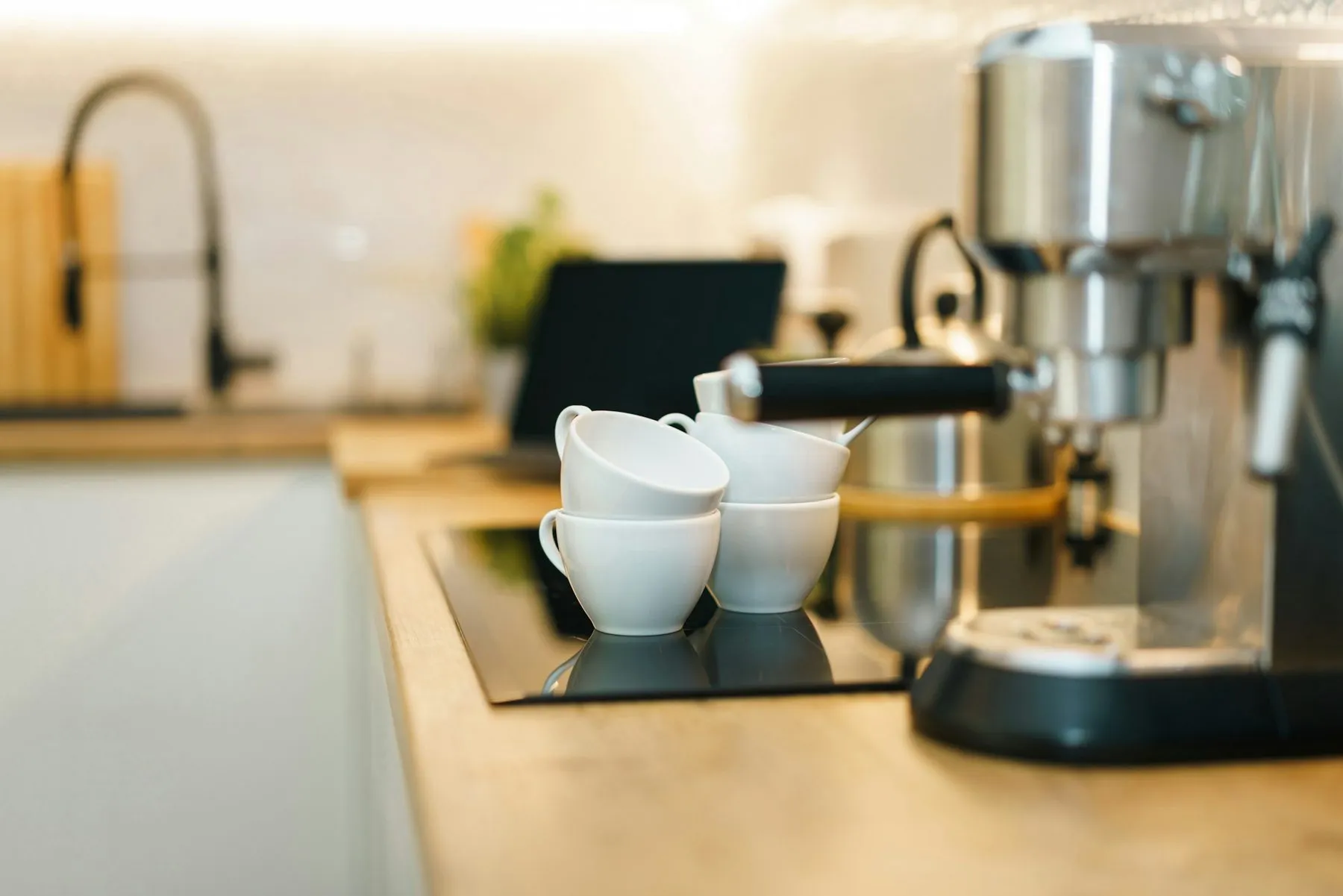
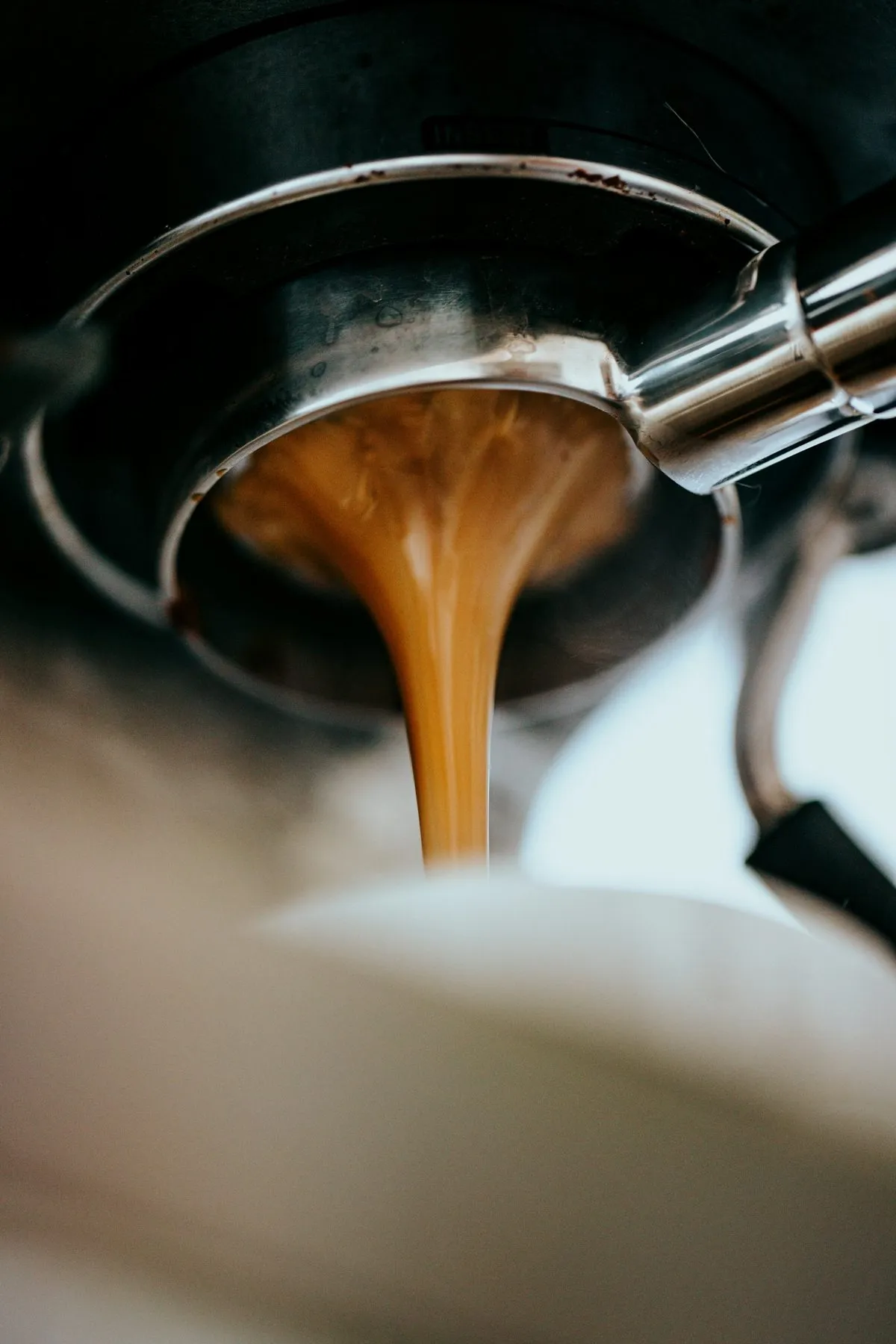
Photo: Jakub Żerdzicki on Unsplash
Under $500 you can buy a machine that makes genuinely good espresso. You can also buy one that makes hot brown water with foam on top. The difference is mostly a handful of specs that the listings bury, and whether you’ve left money for a grinder.
We haven’t had all four of these on our own counter. These picks come from the manufacturers’ specs, specialist retailers’ published testing and long-term owner reports, and we say which is which.
The short version
- Best for most people
- Breville Bambino Plus. Fast, consistent, does the milk for you
- Straight espresso, tight budget
- Breville Bambino. Same heater, manual steam
- Best for learning
- Gaggia Classic Evo Pro. 58mm, repairable, built to last
- Tiny kitchen
- De'Longhi Dedica Maestro Plus. About 8 inches wide
Leave room for the grinder
None of these machines grinds coffee. Pre-ground coffee goes flat in days and can’t be adjusted, so plan on a real burr grinder alongside. Our grinders under $300 guide covers the ones that can actually go fine enough.
What actually matters under $500
Ignore the pump pressure on the box. A “20 bar” machine doesn’t make better espresso than a 15 bar one; espresso is brewed at around 9 bar, and the better machines regulate down to that.
What does matter:
- Temperature stability. PID control or a decent boiler keeps shot temperature steady. Cheap thermoblocks drift, so shots taste different from one to the next.
- Portafilter size and baskets. 58mm is the commercial standard with endless accessories. 54mm is fine. Machines that only ship with pressurized baskets hide bad grinding but cap how good the shot can get.
- Steam wand. Automatic wands make good milk with no skill. Manual wands take practice but give you control. Panarello wands are the cheap foam-makers to avoid if you care about lattes.
The four machines side by side
| Breville Bambino Plus | Breville Bambino | Gaggia Classic Evo Pro (E24) | De'Longhi Dedica Maestro Plus | |
|---|---|---|---|---|
| Rough price | About $500 | About $300 | About $450–550 | Under $500, varies |
| Heat-up | About 3 s | About 3 s | Several minutes | Seconds |
| Temperature control | PID | PID | Boiler thermostat | Three settings |
| Portafilter | 54mm | 54mm | 58mm commercial | 51mm |
| Steam | Automatic | Manual | Manual commercial wand | Automatic, 3 textures |
| Buy | Check Amazon | Check Amazon | Check Amazon | Check Amazon |
Prices move a lot with sales and colors, so treat those as brackets rather than quotes.
1. Breville Bambino Plus: best for most people
The Bambino Plus is the machine most people should buy. Breville’s ThermoJet heater gets it to brewing temperature in about three seconds, PID control keeps that temperature steady, and low-pressure pre-infusion helps forgive slightly uneven pucks.
The headline feature is the automatic steam wand. You set milk temperature and texture, drop the jug on the sensor, and walk away. For a latte drinker who doesn’t want to learn milk steaming, that’s worth the extra over the plain Bambino on its own.
The trade-offs: 54mm portafilter rather than 58mm, a small drip tray, and owner reports of the machine forcing cleaning cycles at inconvenient moments. It’s also mostly plastic under the steel skin. Some owners report failures out of warranty; it carries a two-year warranty in the US.
Wrong choice for: anyone who wants to tinker or upgrade parts, or who pulls lots of shots back to back for a household.
2. Breville Bambino: straight espresso on a budget
Same three-second heater, same PID, same 54mm portafilter, for a lot less money. What you give up is the automatic milk. The Bambino’s steam wand is manual, so lattes take practice.
If you mostly drink espresso or Americanos, that’s no loss at all, and the savings go straight into a better grinder. That pairing, Bambino plus a strong grinder, is one of the best-value setups in home espresso right now.
3. Gaggia Classic Evo Pro: best for learning, built to last
The Gaggia Classic has been around for decades, which is the point. It’s made in Italy, has a steel housing, a commercial 58mm portafilter, a three-way solenoid valve for dry pucks, and a proper commercial steam wand. The current Evo Pro, now sold as the E24 on some listings, has its pressure valve set to 9 bar out of the box.
Almost every part can be replaced, and the modding community around it is enormous. Owners routinely keep them running for ten years or more.
The catches are real. It takes several minutes to heat up. There’s no PID, so temperature varies unless you learn to “temperature surf” or add a PID kit later. And the manual wand takes practice. It’s the machine for someone who wants to learn espresso, not someone who wants espresso to happen to them.
Wrong choice for: anyone who wants a latte in two minutes on a weekday morning.
4. De’Longhi Dedica Maestro Plus: tiny kitchens
At about 8 inches wide, the Dedica Maestro Plus fits where nothing else will. It adds an automatic steam wand with three milk textures and three temperatures, plus three brew temperatures to match light or dark roasts.
Importantly, it ships with unpressurized single-wall baskets as well as the pressurized ones, so it can grow with a better grinder. Older Dedicas only came with pressurized baskets, which is why they had a mixed reputation among enthusiasts. The 51mm portafilter means fewer aftermarket accessories.
Which one should you buy?
- You drink lattes and want it easy: Bambino Plus.
- You drink espresso and want the best coffee per dollar: Bambino, and put the savings into the grinder.
- You want to learn properly and keep it for years: Gaggia Classic Evo Pro.
- Your counter is tiny: Dedica Maestro Plus.
Whichever you pick, start with a 1:2 ratio, 18 g in and about 36 g out, and adjust from there. Our ratio calculator does the math, and the espresso ratio guide explains what to change when a shot tastes wrong.
Bottom line
The Bambino Plus is the safe recommendation for a reason. But the best setup under about $700 total is often a cheaper machine and a better grinder, not the other way round.
Questions people ask
What is the best espresso machine under $500?
For most people, the Breville Bambino Plus. It heats in seconds, holds temperature with PID control and steams milk automatically. If you want to learn manual technique and keep the machine for a decade, the Gaggia Classic Evo Pro.
Do I need a separate grinder?
Yes, for any of these. None of them has a built-in grinder, and pre-ground coffee goes stale within days. Budget at least $150–200 for a grinder that can actually grind fine enough for espresso.
Is a 15-bar or 20-bar machine better than 9 bar?
No. Espresso is brewed at about 9 bar. Higher pump ratings are marketing; what matters is that the machine regulates down to around 9 bar during the shot.